Interactive Works & Cultural Research
Games, VR, video, and AI systems that explore cultural memory and how people relate to technology.
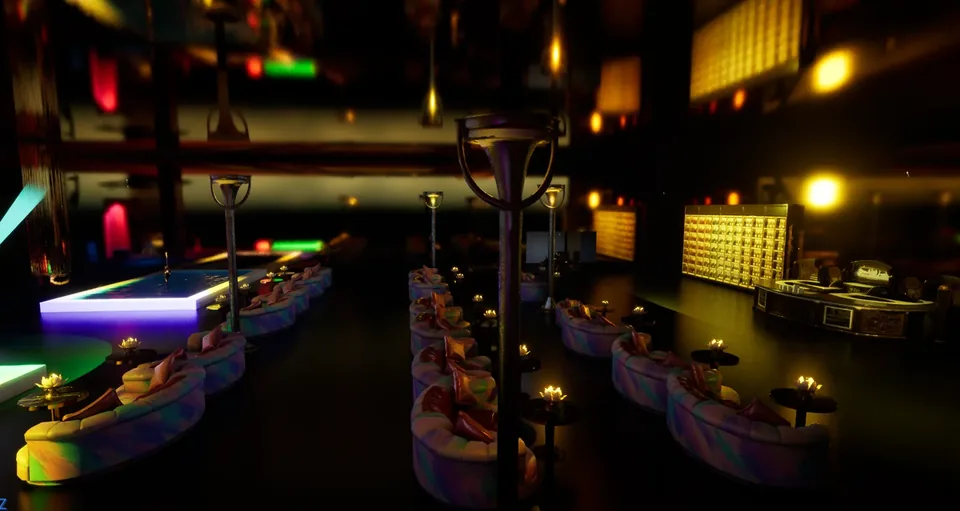
VR Installation
The Last Incense: Incense in the Erasure
The Last Incense is a speculative VR reconstruction exploring Hong Kong's disappearing nightclub culture, cultural memory, and the representation of sex workers.
 Concept artwork featuring White and Black; not a gameplay screenshot.
Interactive Art / Research in Development
NO FIELD (working title)
An original character and Hong Kong-inspired interactive world in development. Through making and player participation, I hope to develop a Cultural Studies inquiry; the Main RQ remains open.
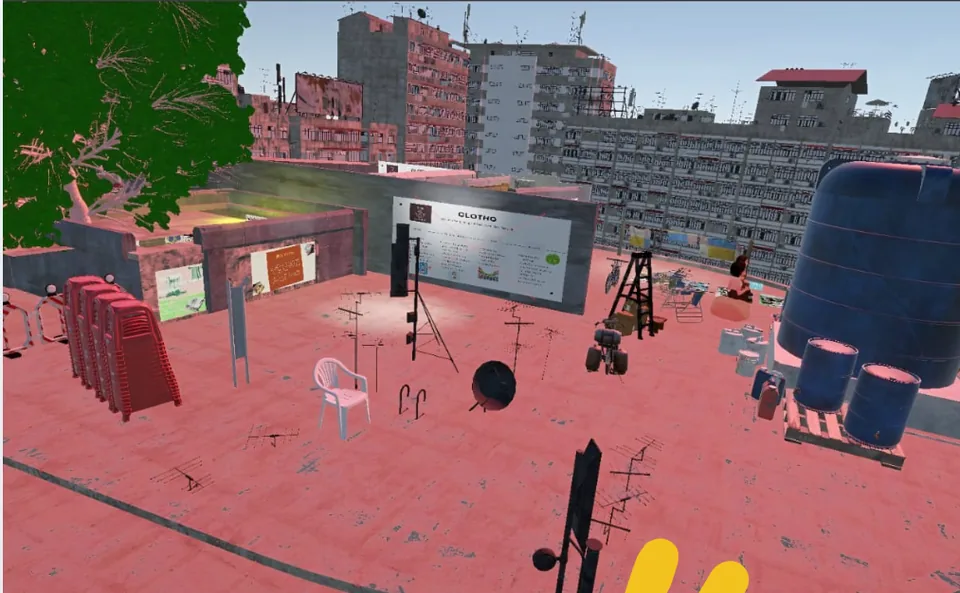
Clotho
A VR experience made with collaborators in Unity, honoring the stories and cultural heritage of Hong Kong’s female garment workers.

Detective's Dilemma
Detective’s Dilemma, also known as Project 180, is an AI-assisted Galgame I completed in Ren’Py during a 180-minute exam.
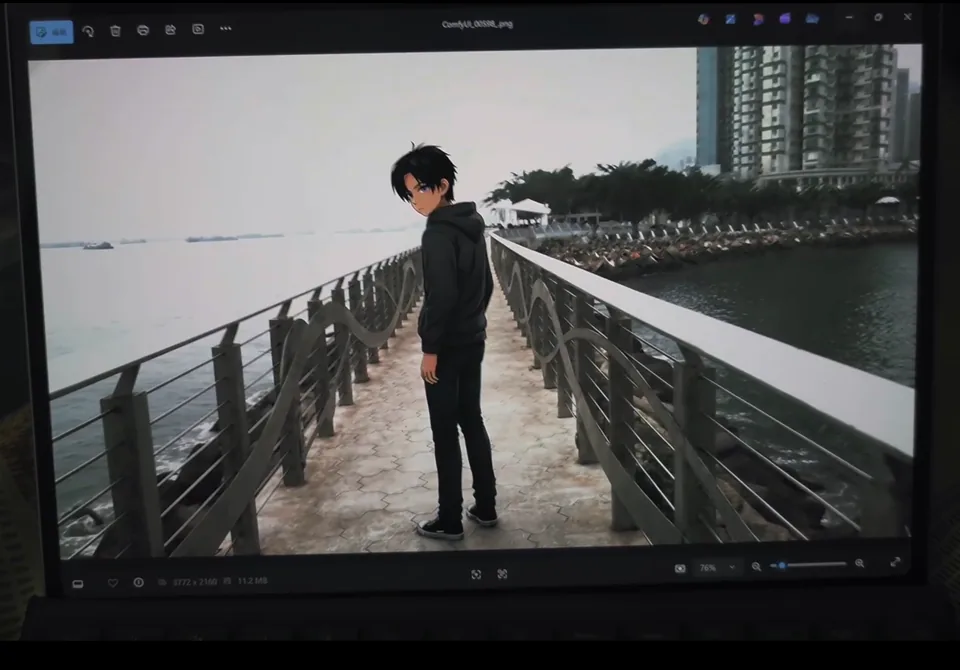
Glitch: A Solo-Directed Cyberpunk Music Video
An AI-assisted cyberpunk music video combining Hong Kong urban realism with a chaotic virtual game world. A developer finds himself trapped in his own script.

Distributing Games in China: Licensing, Piracy, and Informal Circulation
Research on game distribution in China, reviewing licensing policy, comparing official storefronts, and documenting formal and informal circulation through documents, examples, and platform screenshots.
VR Installation
The Last Incense: Incense in the Erasure
Project video
Open video in YouTubeAbout this project
The Last Incense is a speculative VR reconstruction exploring Hong Kong's disappearing nightclub culture, cultural memory, and the representation of sex workers. It was shown at the Chinese University of Hong Kong (CUHK) University Library in May 2026. Made with grassroots rights advocates, the project draws on oral histories and fieldwork to reconstruct the space in Unreal Engine 5. As co-creator, I worked on the VR systems, environment assembly, lighting, and spatial audio. I also joined on-site research visits; my collaborator led the historical fieldwork and spatial modeling. The installation removes every human figure. Earth God shrines, lockers, and traces left in the space bear witness instead. This is its strategy of “presence through absence”: presenting the industry’s history without turning it into an exotic spectacle. The work also draws on Erving Goffman’s frontstage/backstage framework.